Check the complete mulching setup
Understand the intended clipping method and required parts before assuming a mower can mulch.
Updated:
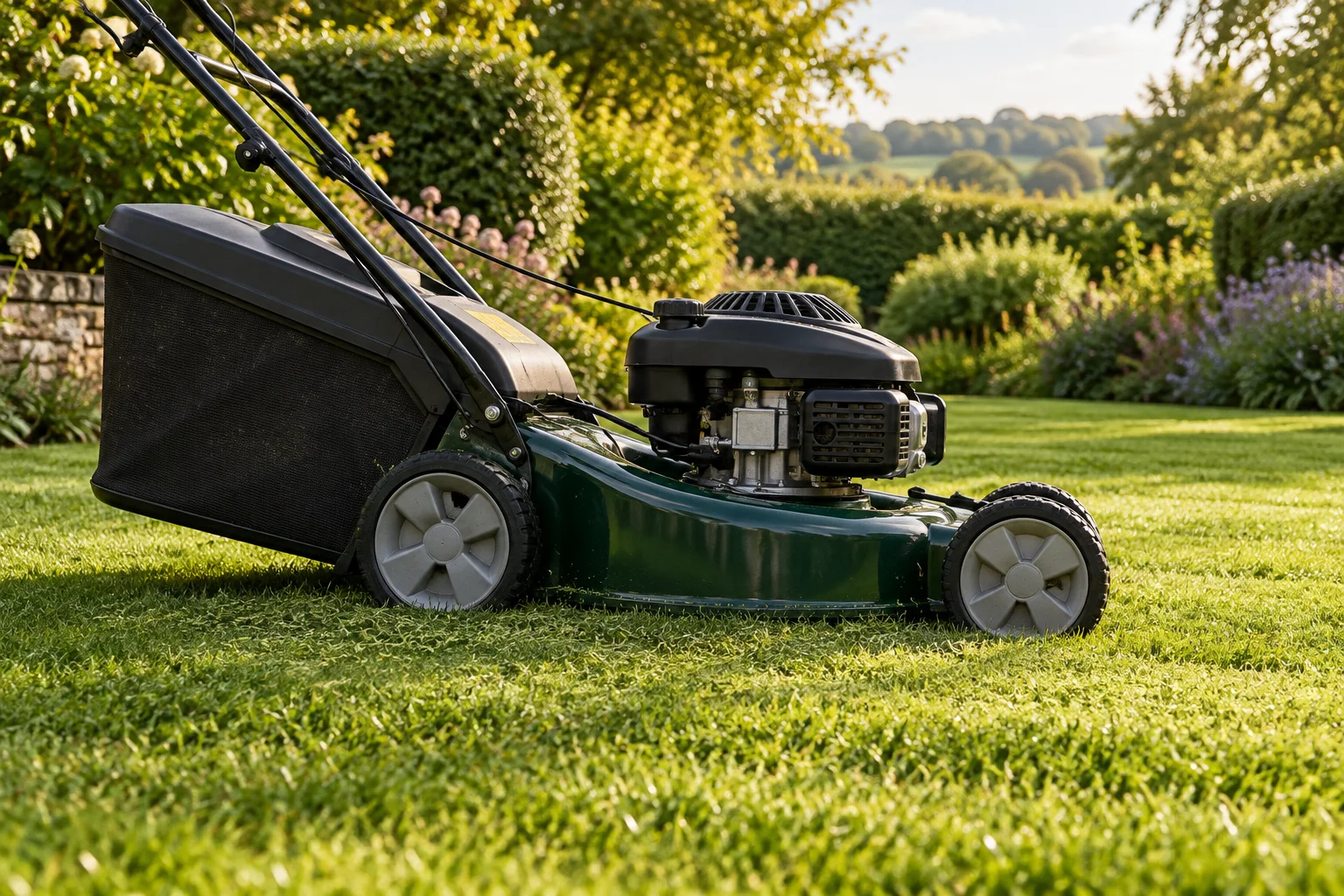
Read the intended operating mode
The RHS describes mulching mowers as cutting clippings finely and returning them to the turf. That is a specific cutting arrangement, not simply a decision to leave a collection box off. Check the exact mower's approved modes and the parts required for each one.
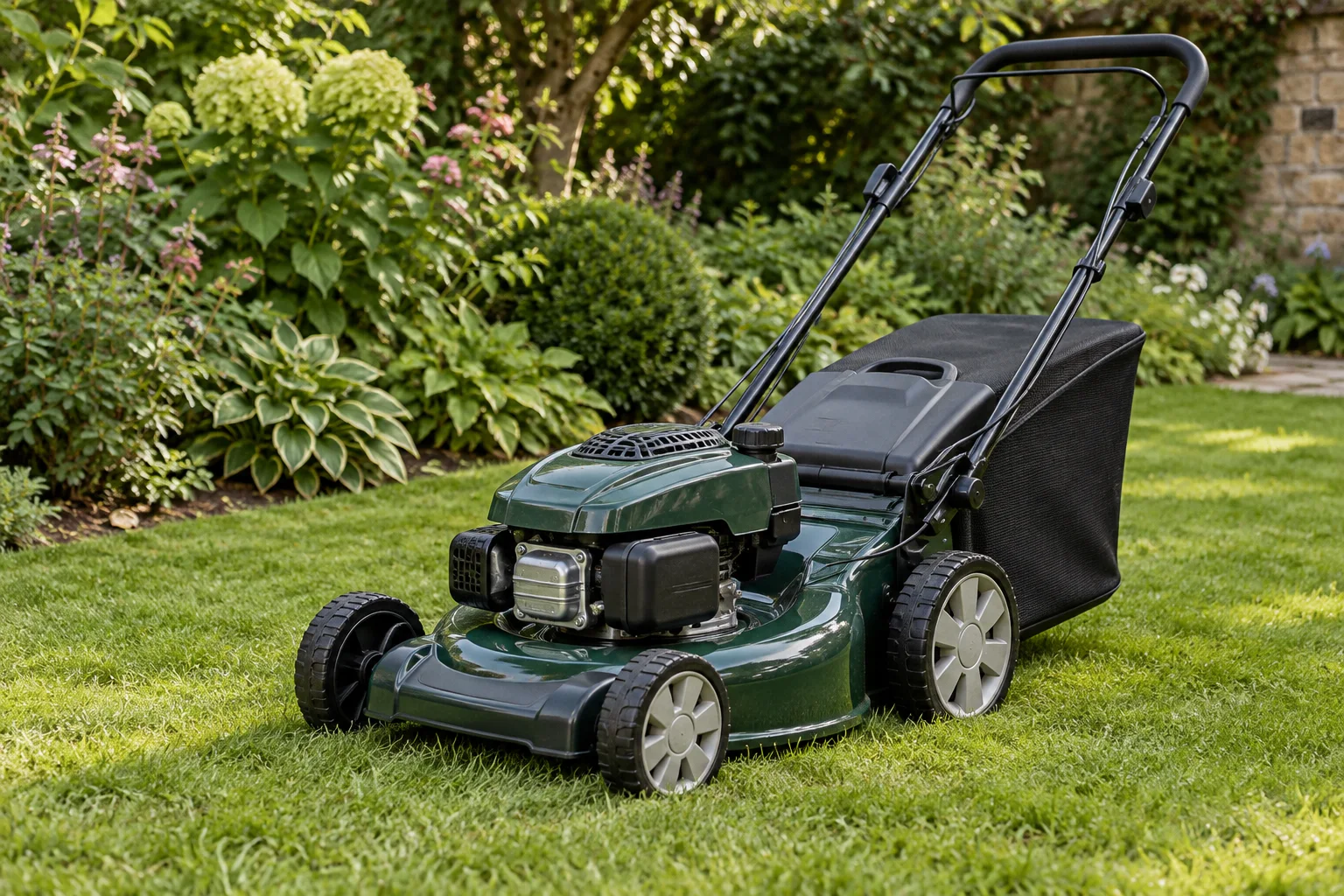
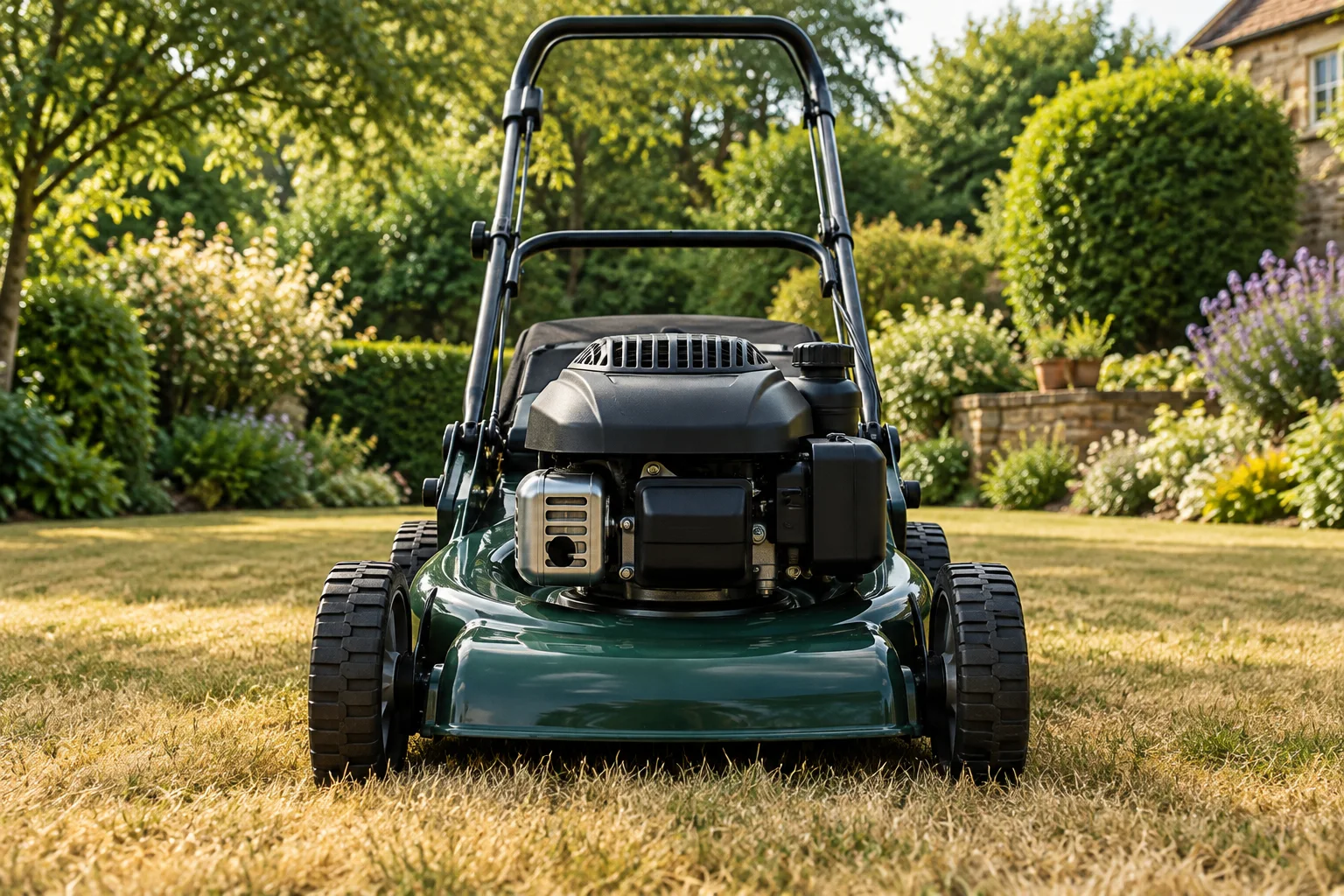
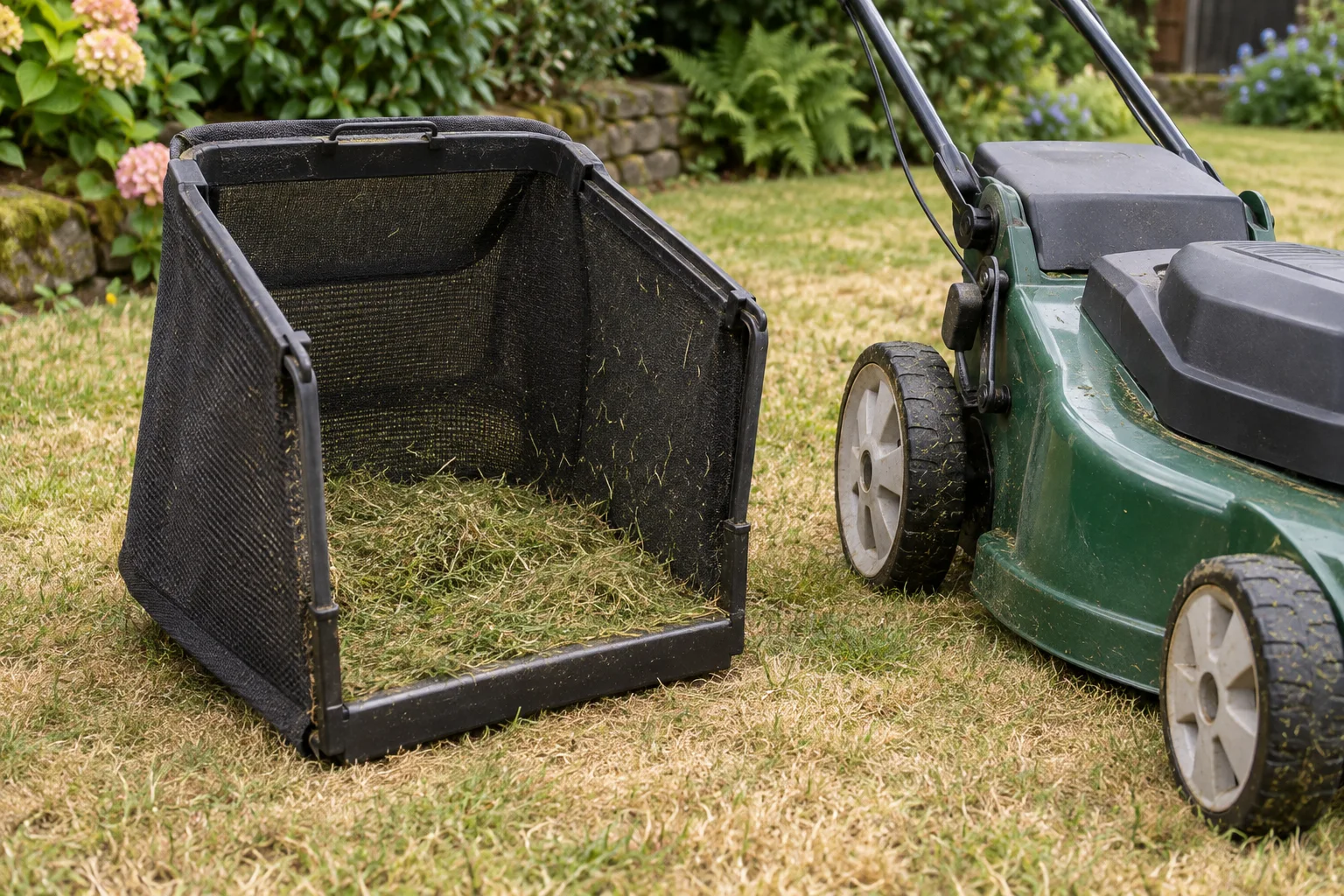
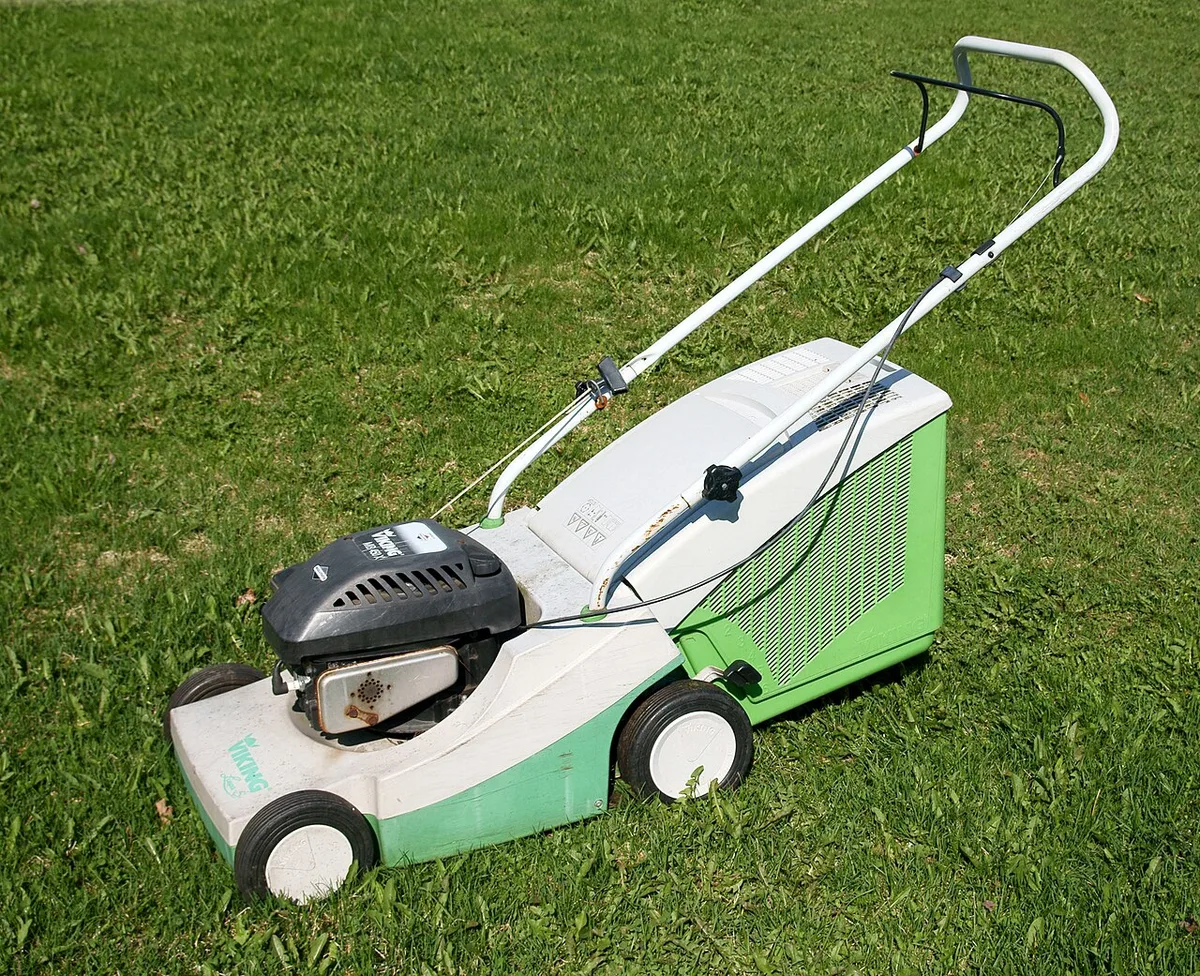
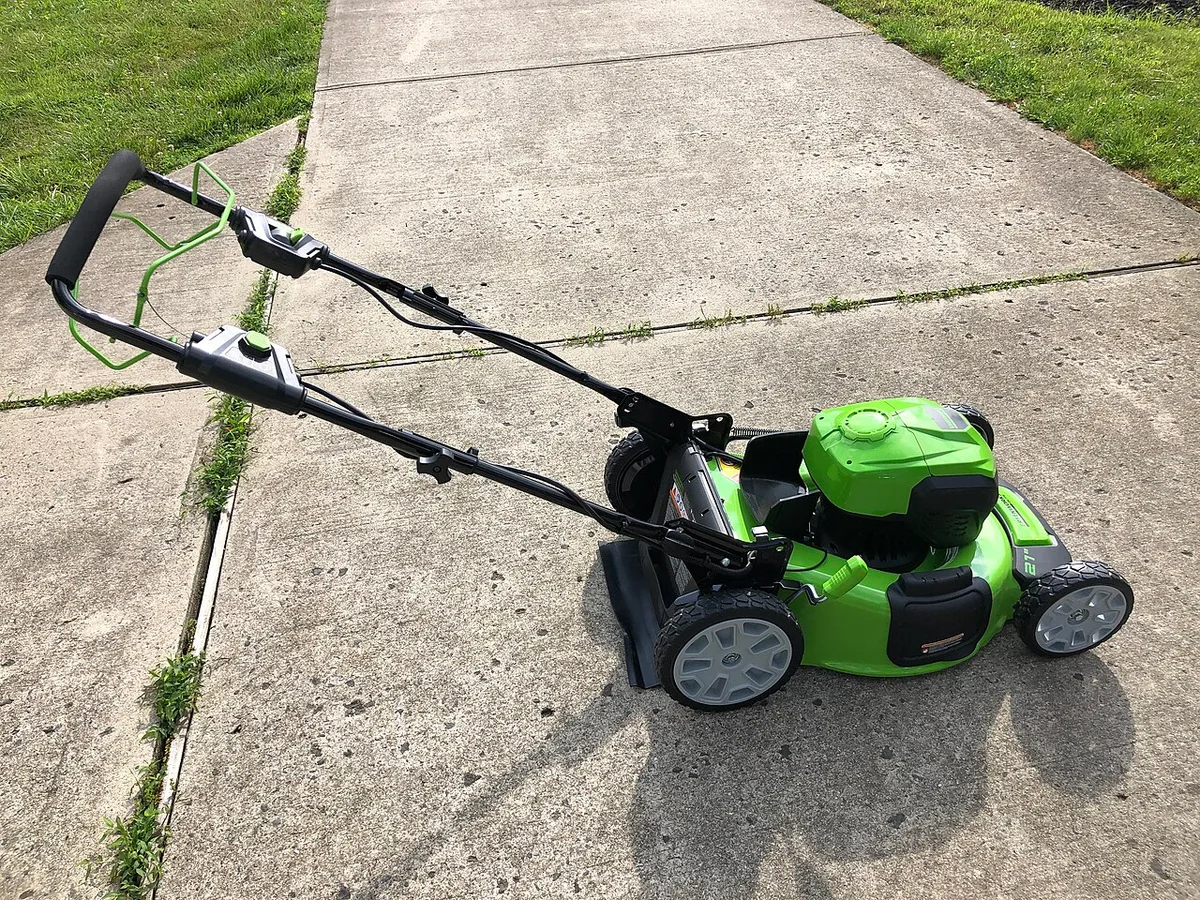
Keep the manual and product specification together when comparing offers. A listing may describe a capability while selling an accessory separately, so confirm what arrives in the box. The historical mower photographs illustrate different machine forms; they do not show that either pictured model has a tested or approved mulching configuration.
Separate capability from the conditions
The RHS notes that longer grass can produce excess clippings even with a mulching mower. Read the manufacturer's conditions and operating directions for the selected product rather than assuming the same result in every lawn state. The task depends on the grass and the intended routine as well as the machine.
Describe whether the lawn is maintained regularly or allowed to grow longer between sessions. Keep areas managed for flowers or wildlife separate in the plan. A mulching feature should answer a real question about your routine, not become an automatic upgrade because it appears beside a larger price.
Record every required component
Make a short list of the exact parts specified for the intended mode and mark each as included or extra. If you are considering an accessory for an existing mower, use the model identifier and the manufacturer's compatibility information. Do not choose by a similar shape in a photograph or alter a component to make it fit.
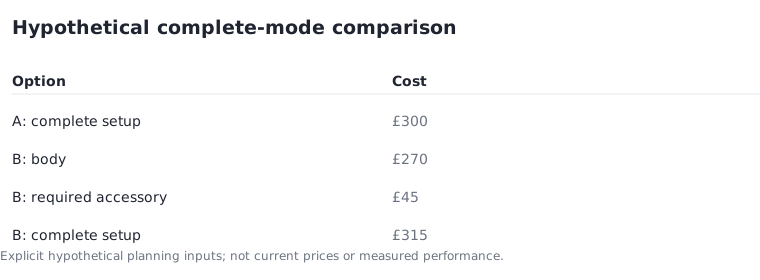
For a hypothetical comparison, assume one complete setup costs £300. Another mower costs £270 but requires a £45 approved accessory, bringing its total to £315. The apparently cheaper body is £15 more expensive as a complete assumed setup. These figures explain the comparison method and are not current offers.
Keep the garden plan in view
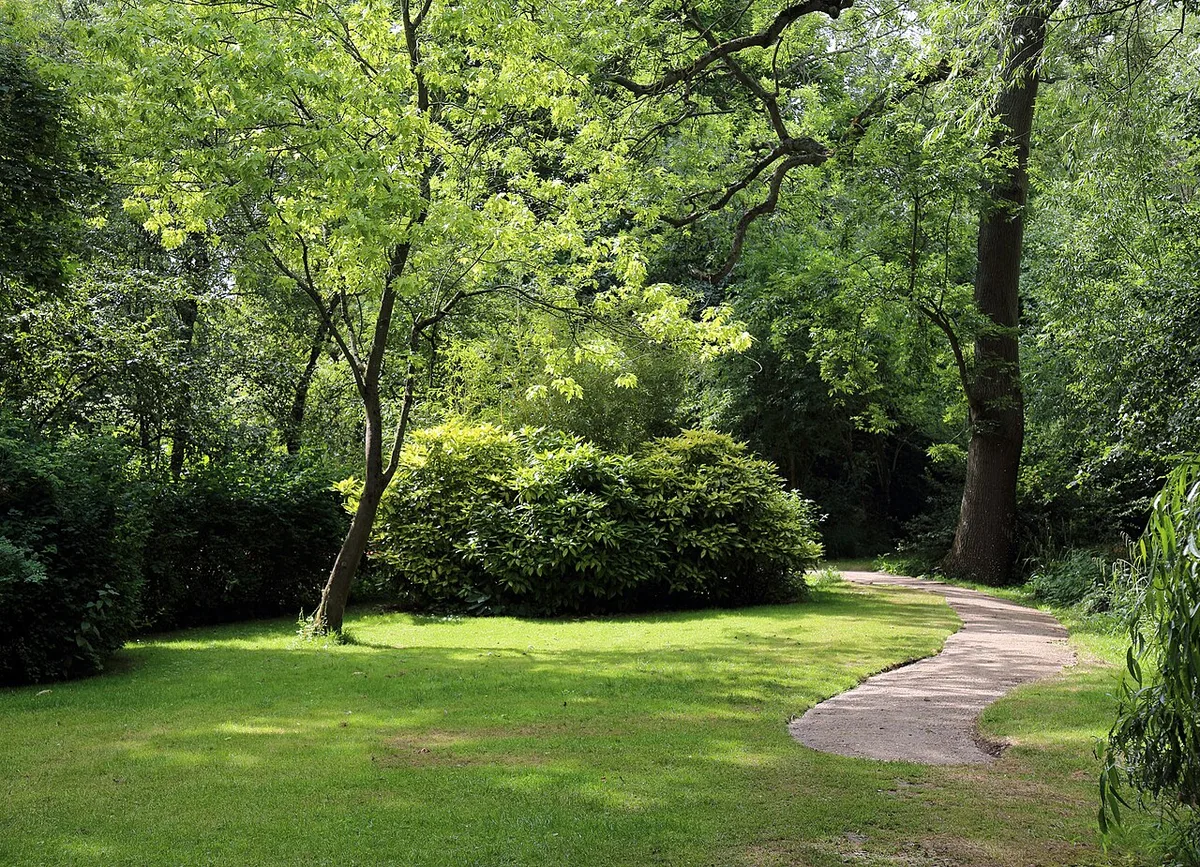
The garden photograph shows lawn beside a path and planting. Those boundaries remain part of the work regardless of the clipping mode. Record awkward corners, access and the storage arrangement before letting one feature dominate the shortlist.
Manufacturer buying guides discuss different mower configurations and garden contexts. Use them to find the exact specifications, then compare the same task across your options. Plot & Spade has not tested clipping quality or measured time saved by mulching. A product capability and a predicted result are different claims and should stay separate in your notes.
STIHL UK: lawn mower buying guide ?
Compare a realistic total task
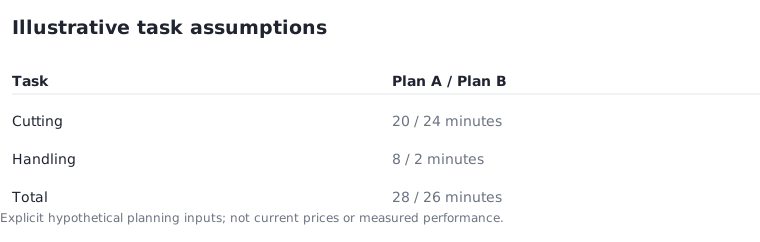
Imagine a conventional session with 20 assumed minutes of cutting and 8 of clipping handling, for 28 minutes. An alternative plan with 24 minutes of cutting and 2 of handling totals 26. These invented timings demonstrate that changing one part of a task does not remove every other part; they are not measured comparisons between collection and mulching.
Replace assumptions with your own observations only when you have them, and record the conditions. Save the exact configuration with the purchase. The useful outcome is a confirmed operating mode, complete parts list and routine that fits your garden, without promising a universal saving or treating an illustration as performance evidence.