Choose the tool kit around your garden
Map the lawn, edges and pruning jobs before comparing equipment, storage and the complete cost.
Updated:
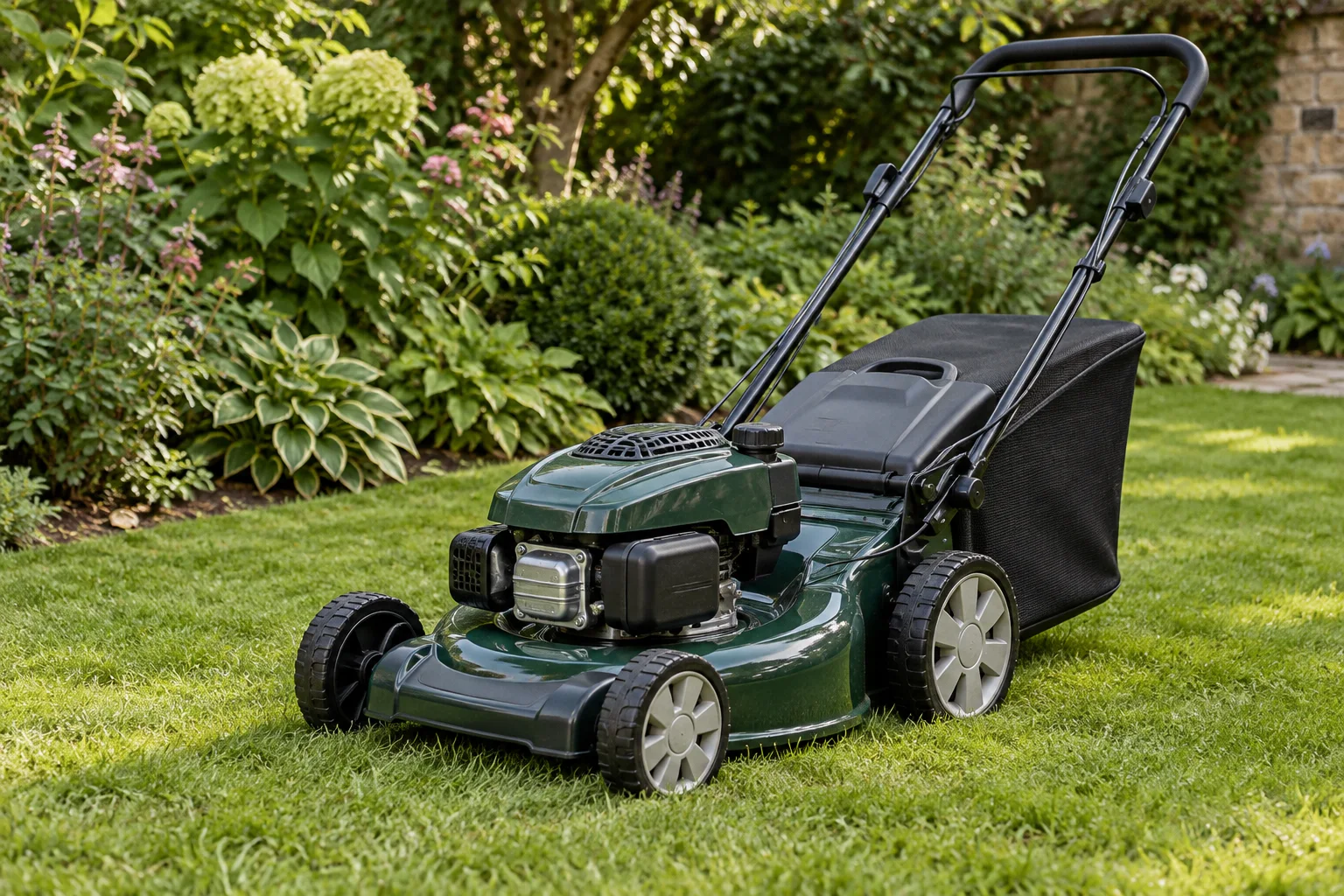
Describe the jobs before the machines
A useful garden-tool shortlist starts with the work you intend to do. Separate the open lawn from narrow edges, planted borders and pruning tasks. The RHS explains that mowing frequency depends on the lawn style, weather and rate of growth, so a single weekly routine is not a universal specification for every garden.
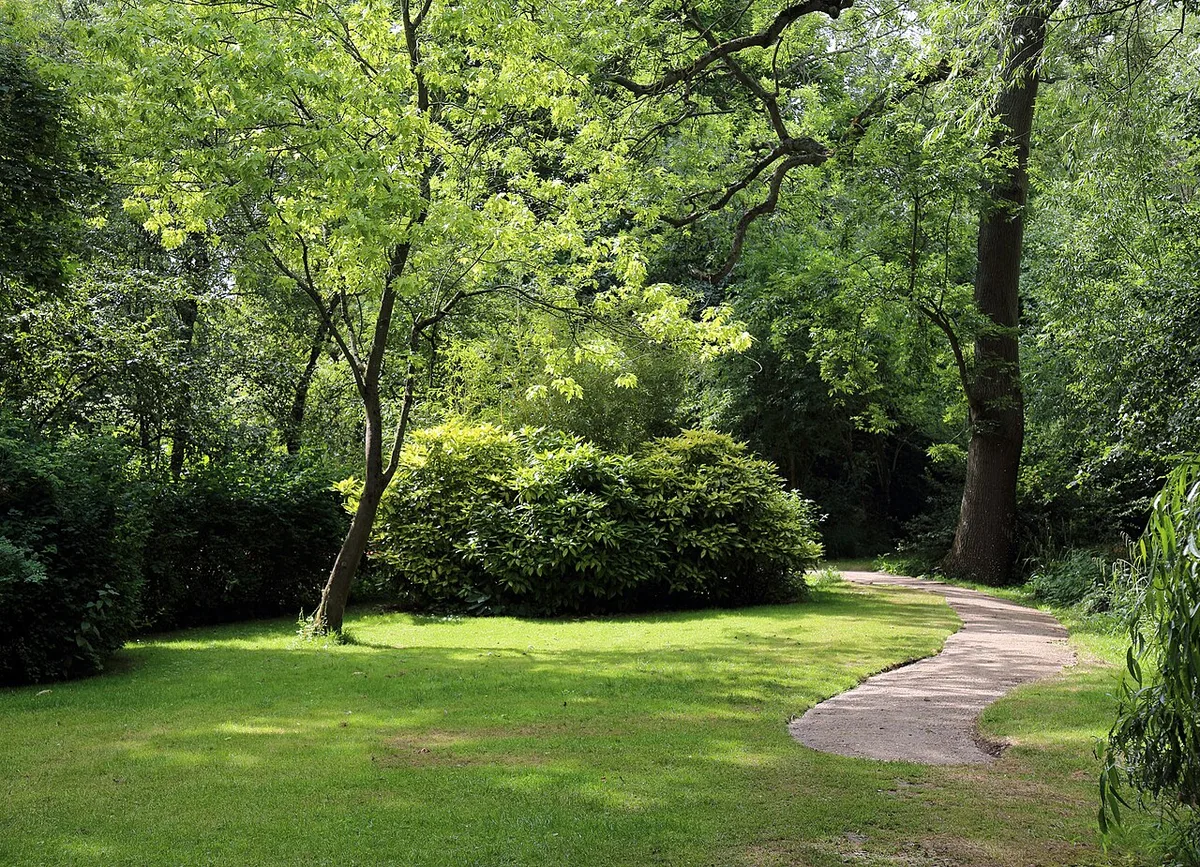
Write down the result you want and the areas you will leave alone. A traditional short lawn, a longer grass area and a flower-rich section can create different tasks. The real garden photograph shows grass, a curved path and planted borders together. It illustrates why the whole plot should not be treated as one simple mowing rectangle.
Measure the area that will actually be mown
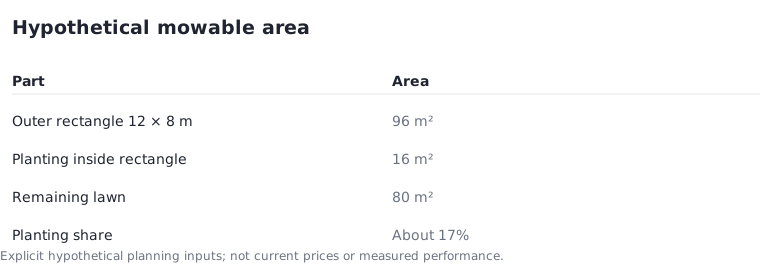
For a hypothetical rectangular plot, assume an overall grass envelope measures 12 by 8 metres, giving 96 square metres. If a separate planted area inside that envelope occupies 16 square metres, the estimated mowable area is 80. The planting represents about 17% of the original rectangle, calculated from those assumed dimensions.
Use non-overlapping measurements and keep irregular areas clearly marked as estimates. The calculation does not account for slope, obstacles or the work of turning a machine. Those details belong beside the area when discussing a mower. A manufacturer's stated coverage is also product-specific, rather than a promise that every machine with a similar appearance will suit the plot.
STIHL UK: lawn mower buying guide ?
Keep different cutting tasks separate
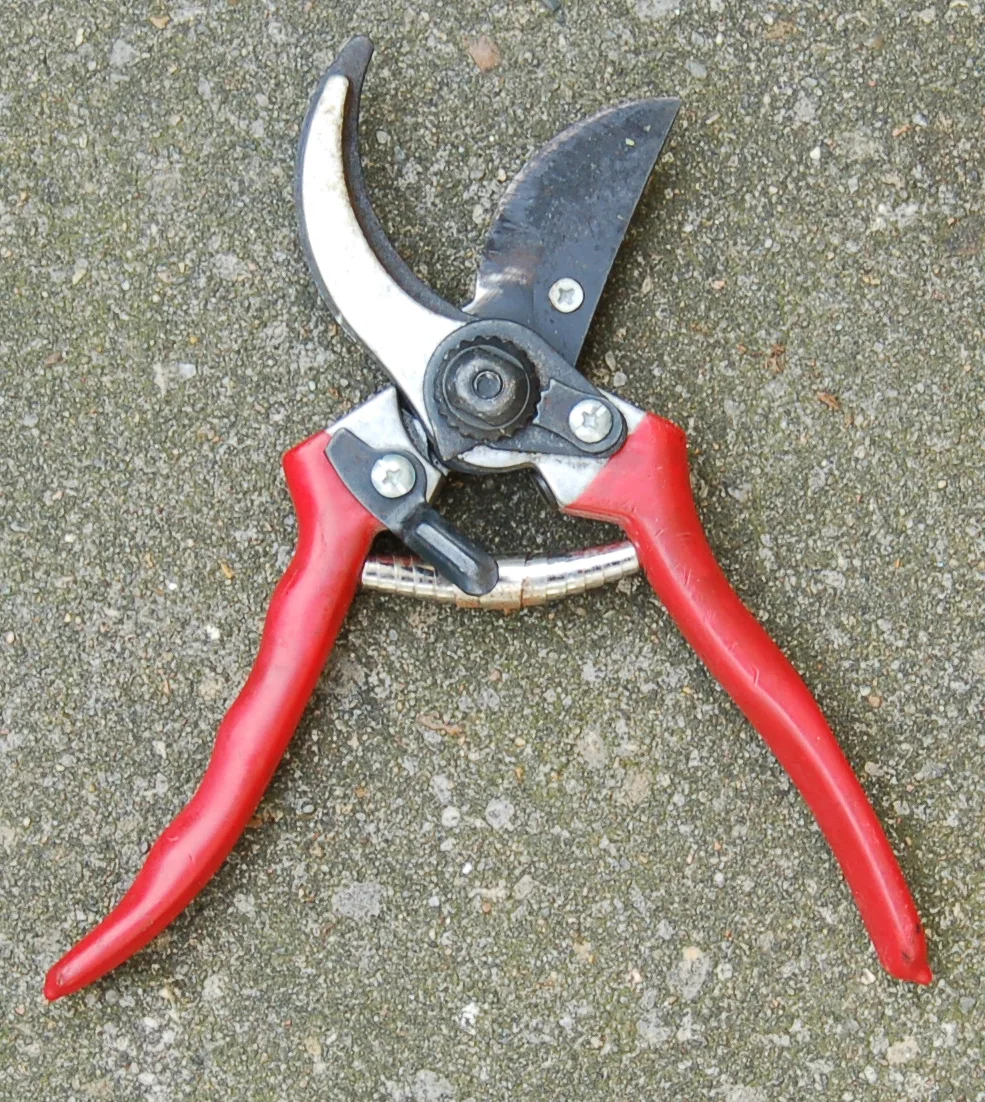
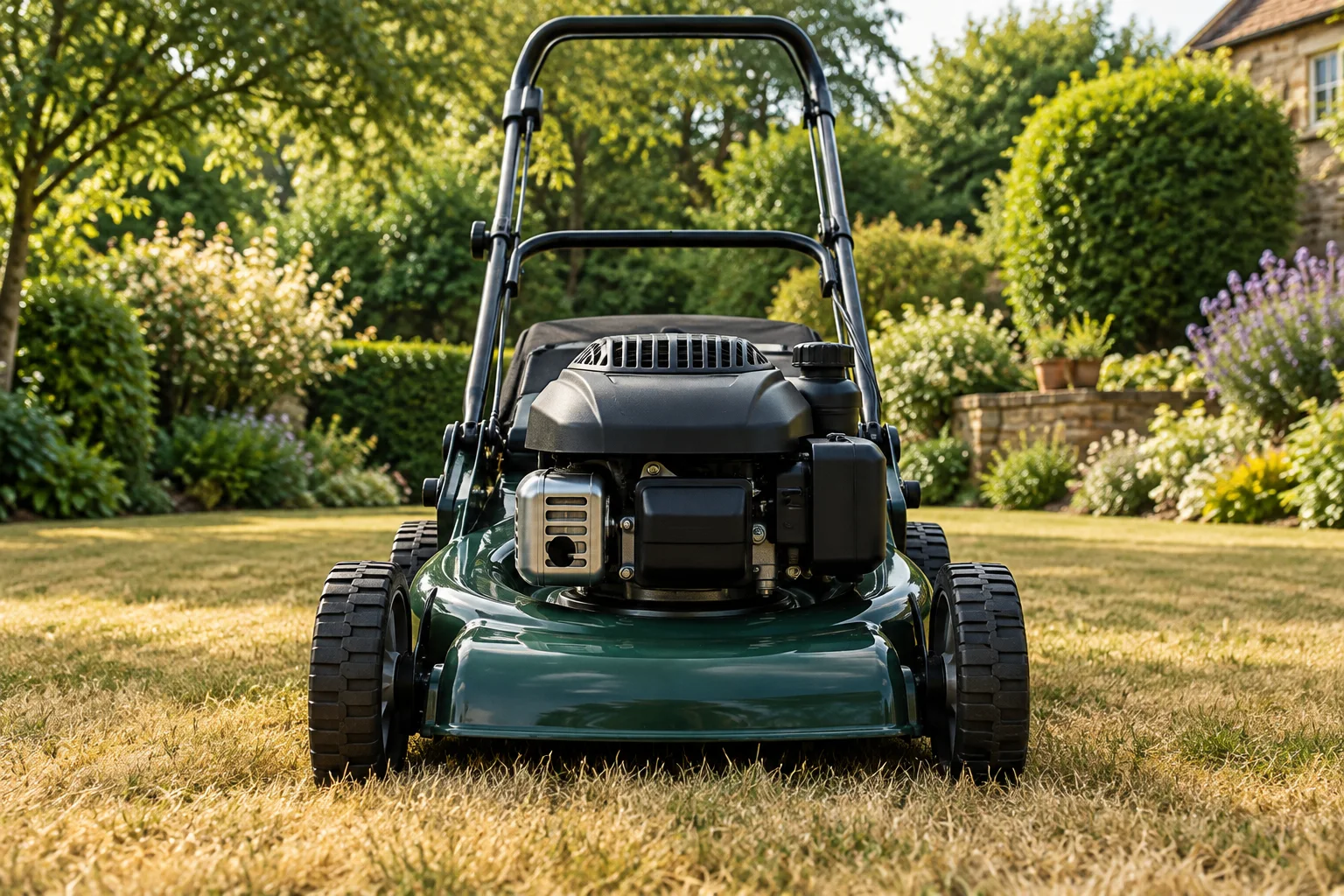
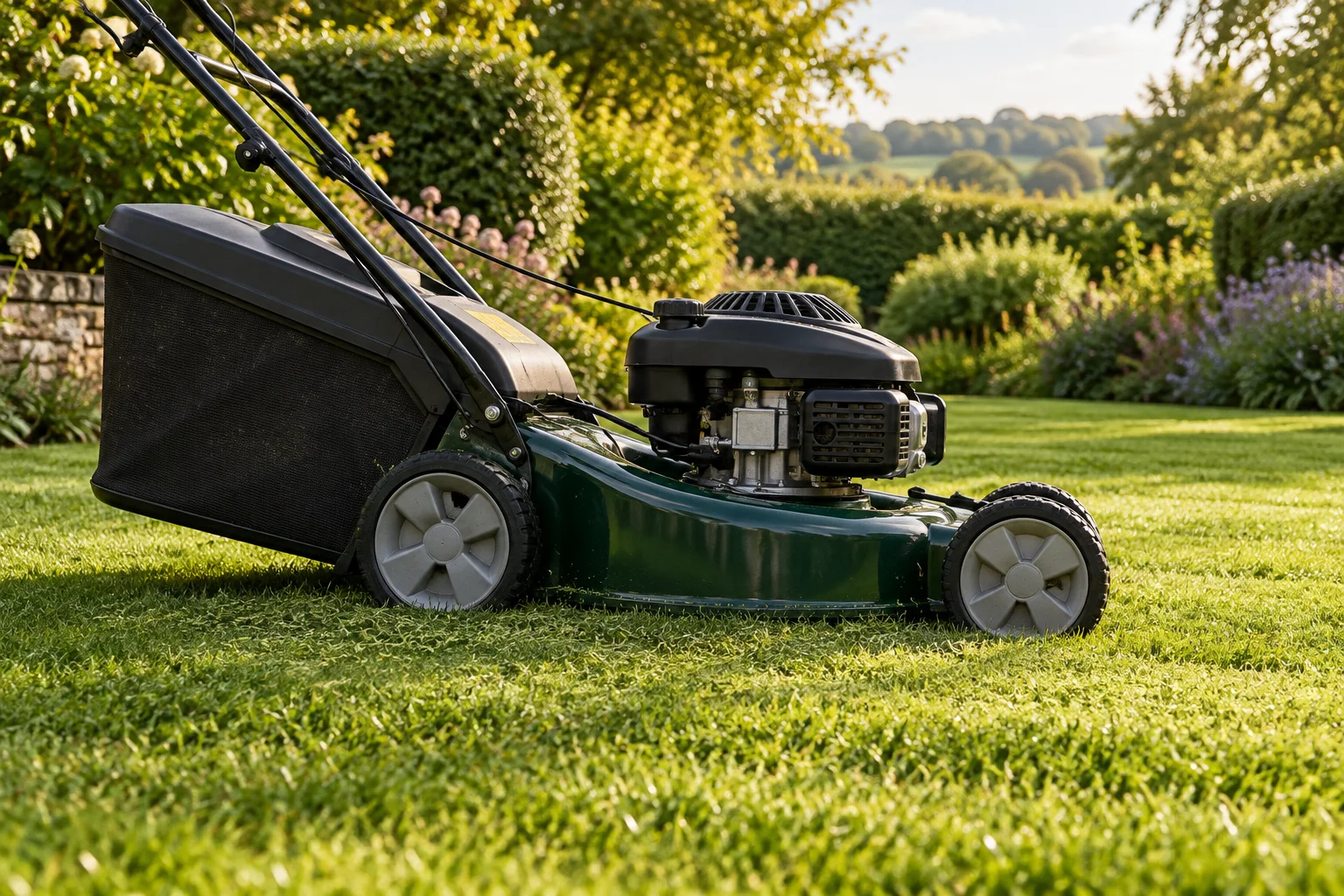
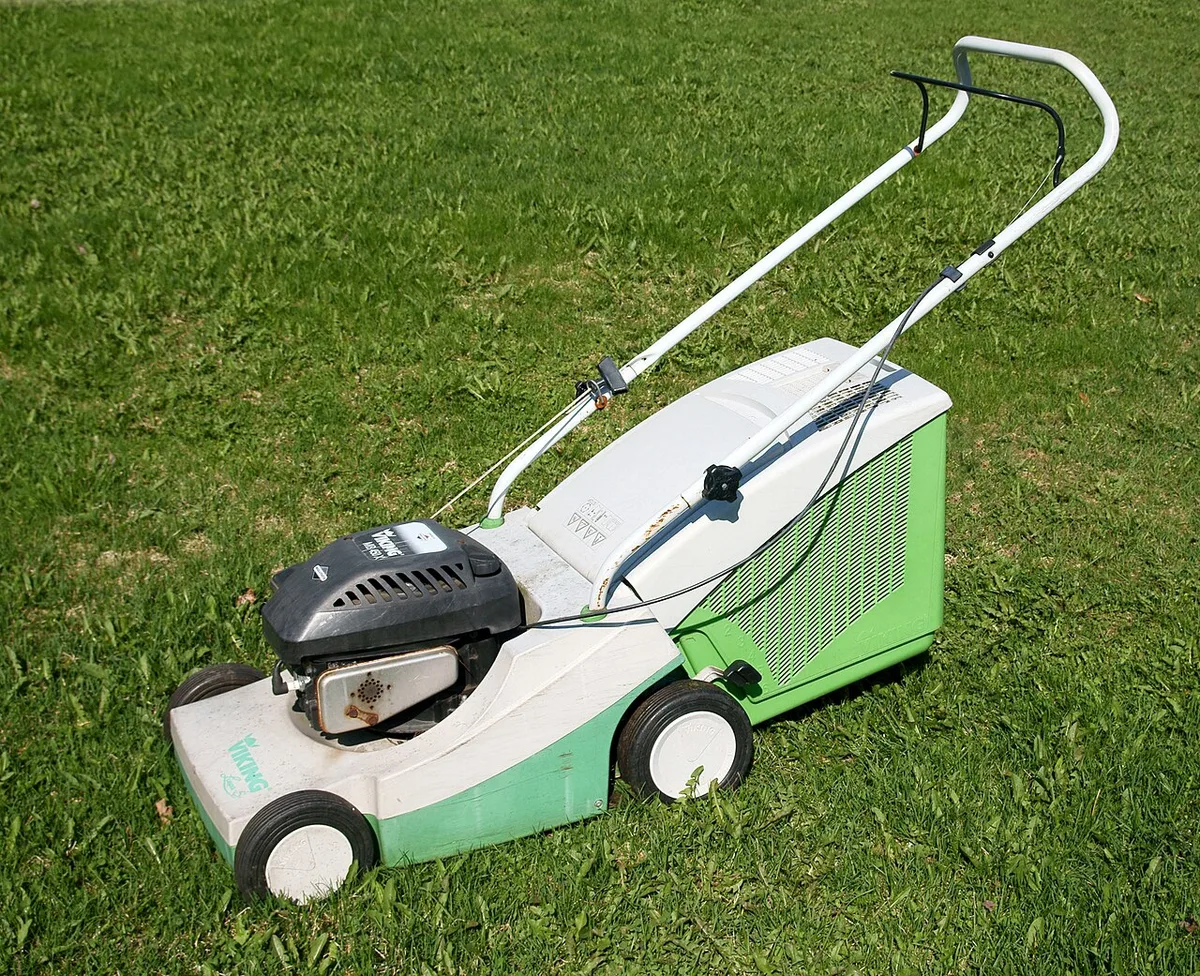
A mower, grass trimmer and pair of secateurs are not interchangeable purchases. Describe the vegetation and access for each task, then check the exact product's intended use and operating instructions. The historical mower and secateurs photographs show different tool forms; they are not products tested or ranked by Plot & Spade.
Do not select a blade, attachment or battery because it looks compatible in a picture. Use the manufacturer's model-specific information and ask the supplier when a requirement is unclear. Before operation, follow the manual and its protective-equipment requirements. A general buying guide cannot establish that a particular tool is suitable for every person or site condition.
Include the complete kit in the budget
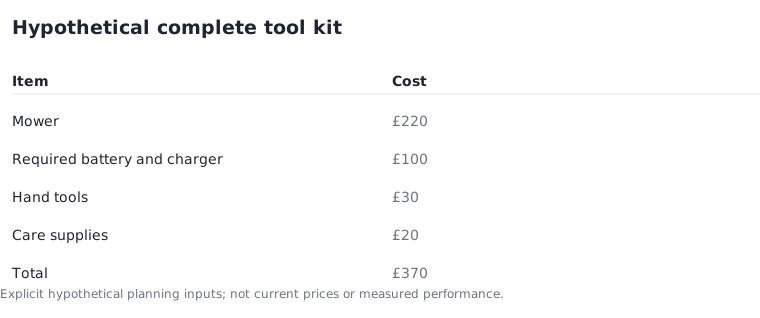
Assume a suitable mower costs £220, an essential battery and charger package costs £100 and a pair of hand tools costs £30. The initial total is £350. Adding an assumed £20 for necessary care supplies gives £370. These are invented planning figures, not current offers or a recommendation to buy that exact combination.
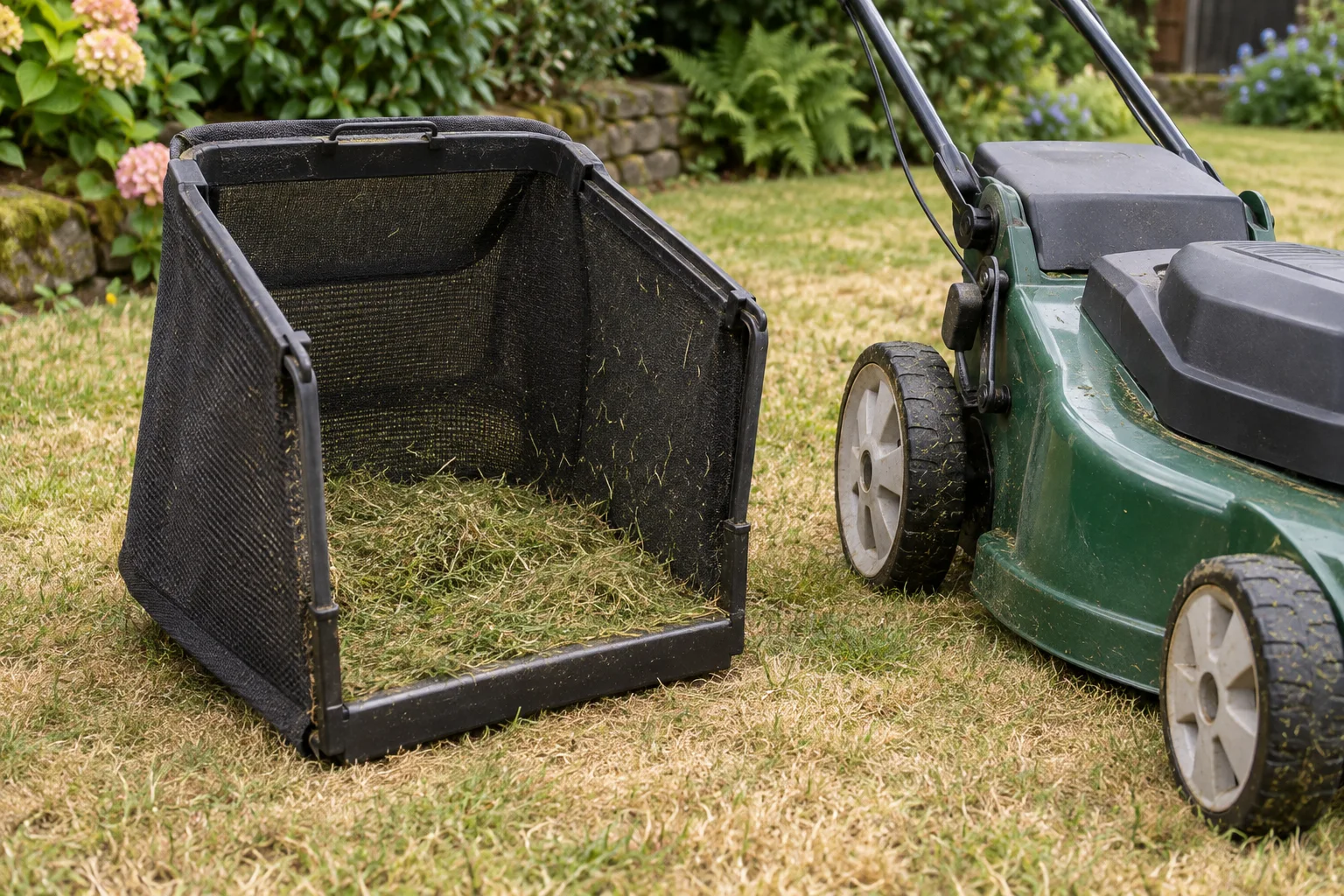
Mark whether batteries, chargers, collection equipment and required accessories are included in each quotation. Keep optional additions separate. If you already own a component, confirm its exact compatibility before entering a zero cost. Comparing the usable kit makes more sense than comparing a tool-only price with a complete package.
Plan care and storage before ordering
The RHS recommends cleaning hand tools after use and storing them dry. Keep the exact care instructions for powered equipment separately, because a hand-tool routine should not be transferred to a mower or battery system. Check the space needed to store and retrieve each item before adding it to the basket.
Save the model details, manual and current seller terms with the order. A practical shortlist should explain the task, measured area, access, compatible components and total cost. It should also make any unresolved question visible, rather than presenting a garden photograph or a broad product label as proof of performance.