Check the battery system, then the exact model
Keep tool, battery and charger identifiers together instead of assuming that one brand means one interchangeable system.
Updated:
Start with the three model names
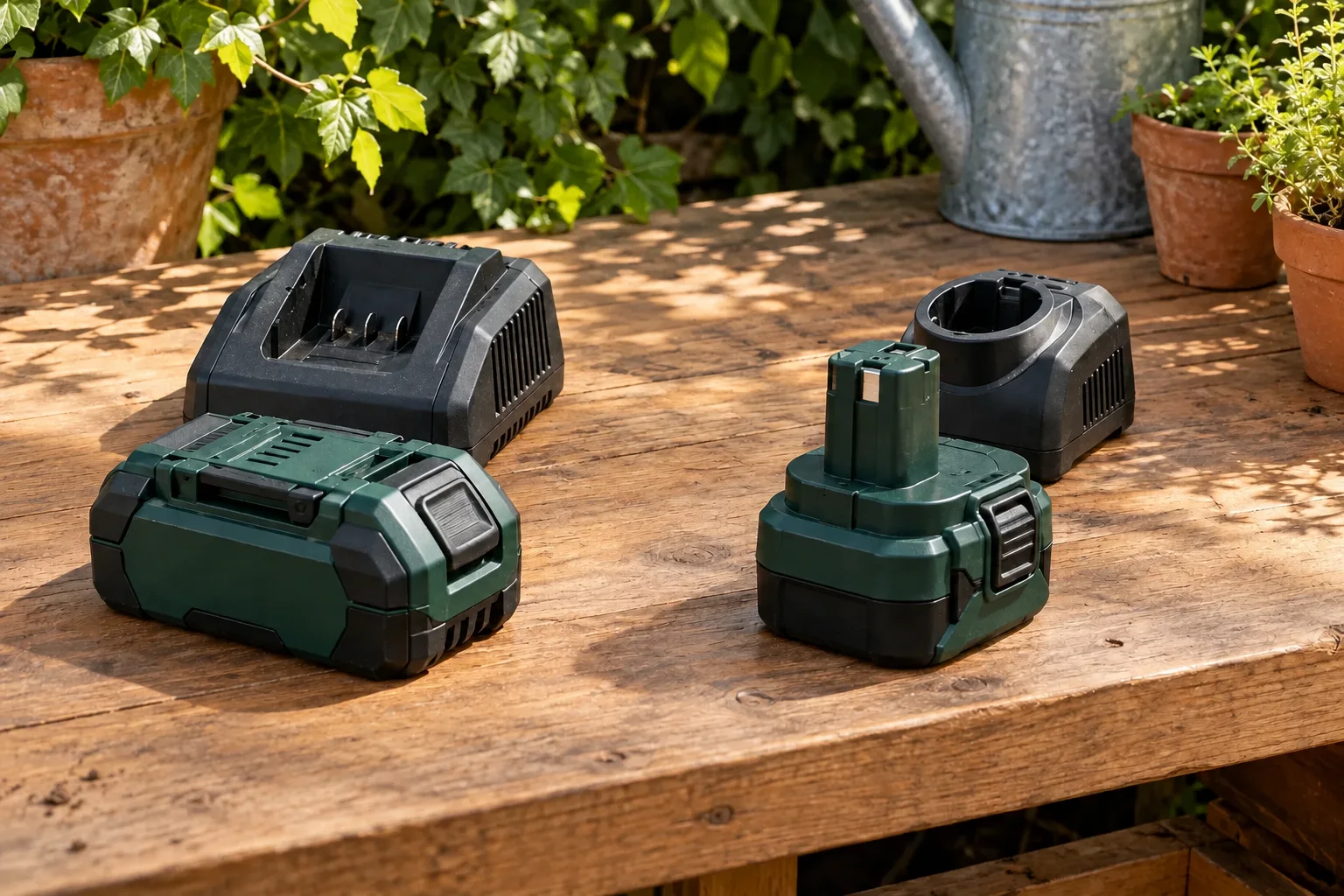
Write down the exact tool, battery and charger models before checking compatibility. STIHL's UK guidance describes battery sharing within named systems. That distinction means a brand name alone is not a complete compatibility statement, and a familiar colour or physical resemblance is not evidence that two components belong together.
Read the current official compatibility information for the intended tool. Keep any conditions or recommended battery options beside the model name. If the documentation is unclear, ask the manufacturer or authorised supplier for a written answer before ordering. Do not use an unapproved adapter or physical modification to turn an uncertain combination into an experiment.
Separate compatibility from capacity
A component being approved for a tool does not automatically establish the runtime you will obtain on a particular task. Read the exact runtime or coverage description and its stated conditions separately. Record the battery model used in that description rather than copying a number without its context.
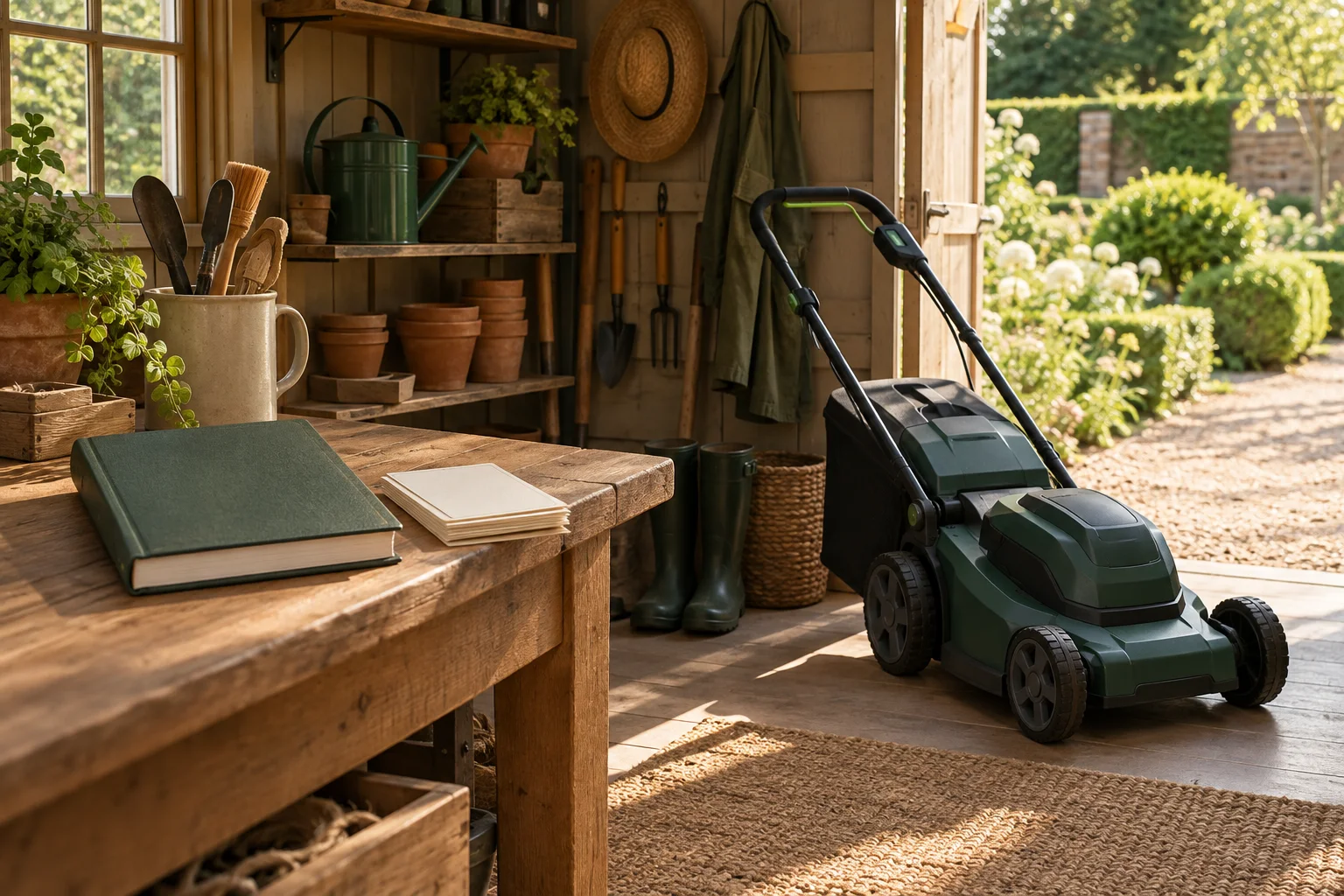
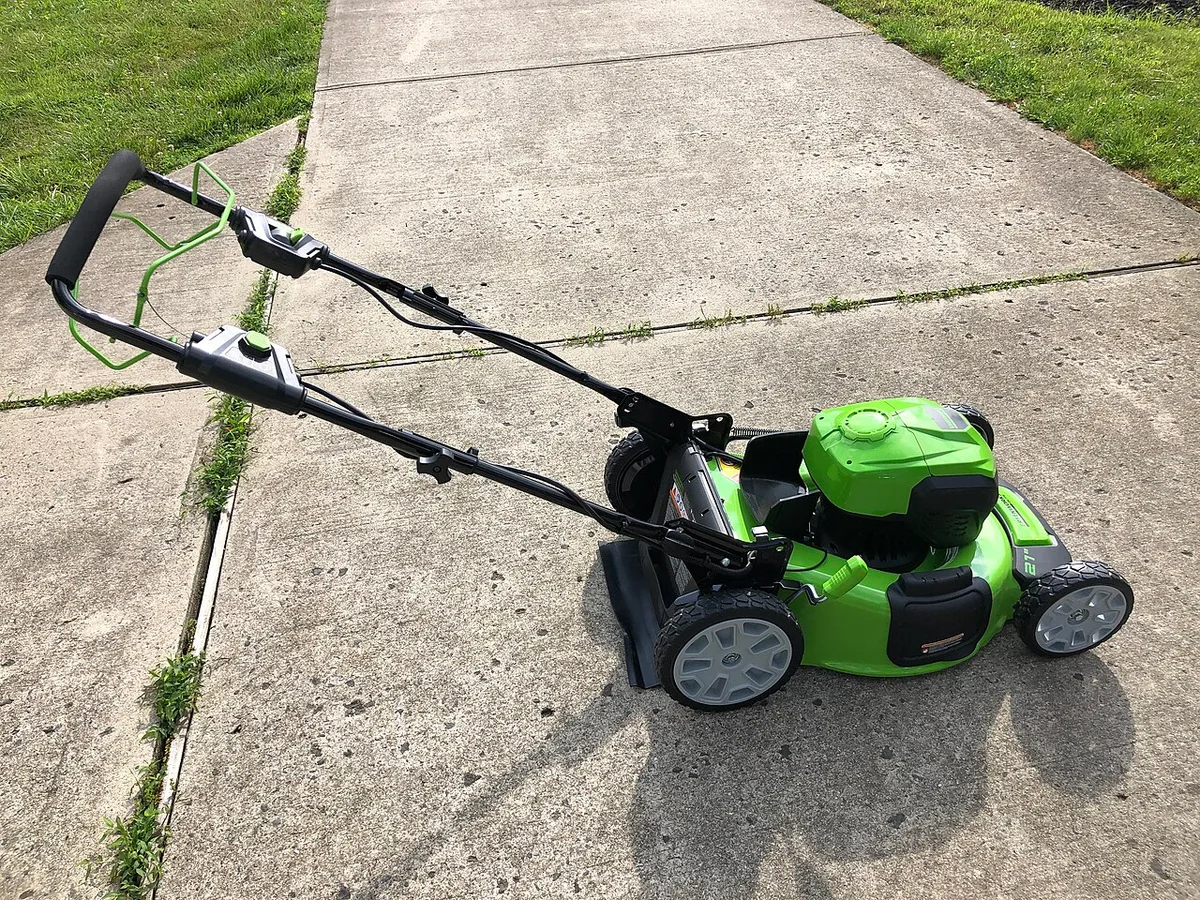
The manufacturer mower guide discusses different products and garden sizes. Treat each statement as specific to its listed configuration, not as a universal result for all batteries in a system. Plot & Spade has not measured battery performance. The historical cordless mower photograph is a visual example of equipment form, not a test of the pictured model.
STIHL UK: lawn mower buying guide ?
Audit what you already own
Create a small inventory of existing tools and batteries, including the identifiers on their labels. Mark a proposed combination as confirmed, incompatible or awaiting an answer. Keep an uncertain item out of the confirmed list even if it appears to slide into a similar connector.
For a hypothetical inventory, assume you own three tools but only two are confirmed to use the proposed battery system. That is two-thirds, or about 67%, of the tool count. The percentage describes this invented inventory; it does not imply a saving, a runtime improvement or compatibility for any real product.


Compare the cost of the confirmed setup
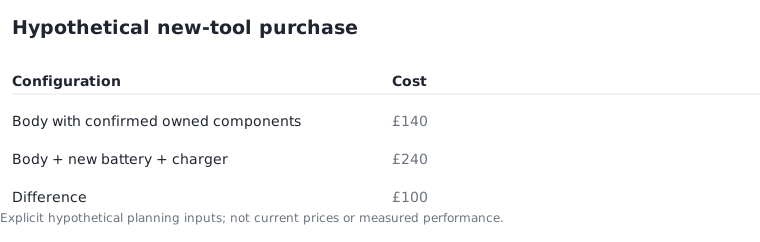
Suppose an additional tool body costs an assumed £140. If a suitable owned battery and charger can be retained, that is the initial new purchase in the example. If a required battery costs £70 and charger £30, the complete addition becomes £240. These are invented planning amounts, not current manufacturer prices.
Do not treat the £100 difference as a saving until the retained components have been checked. Consider whether sharing one battery creates a scheduling issue, but do not assume a spare is always needed. Write the reason for each extra component beside its cost so the kit remains connected to the work you intend to do.
Keep the record current
Save the official compatibility page or manual reference with the purchase date and model identifiers. Recheck it when replacing a component or adding a new tool. Keep storage, charging and care instructions with the same record, because those requirements are not established by compatibility alone.
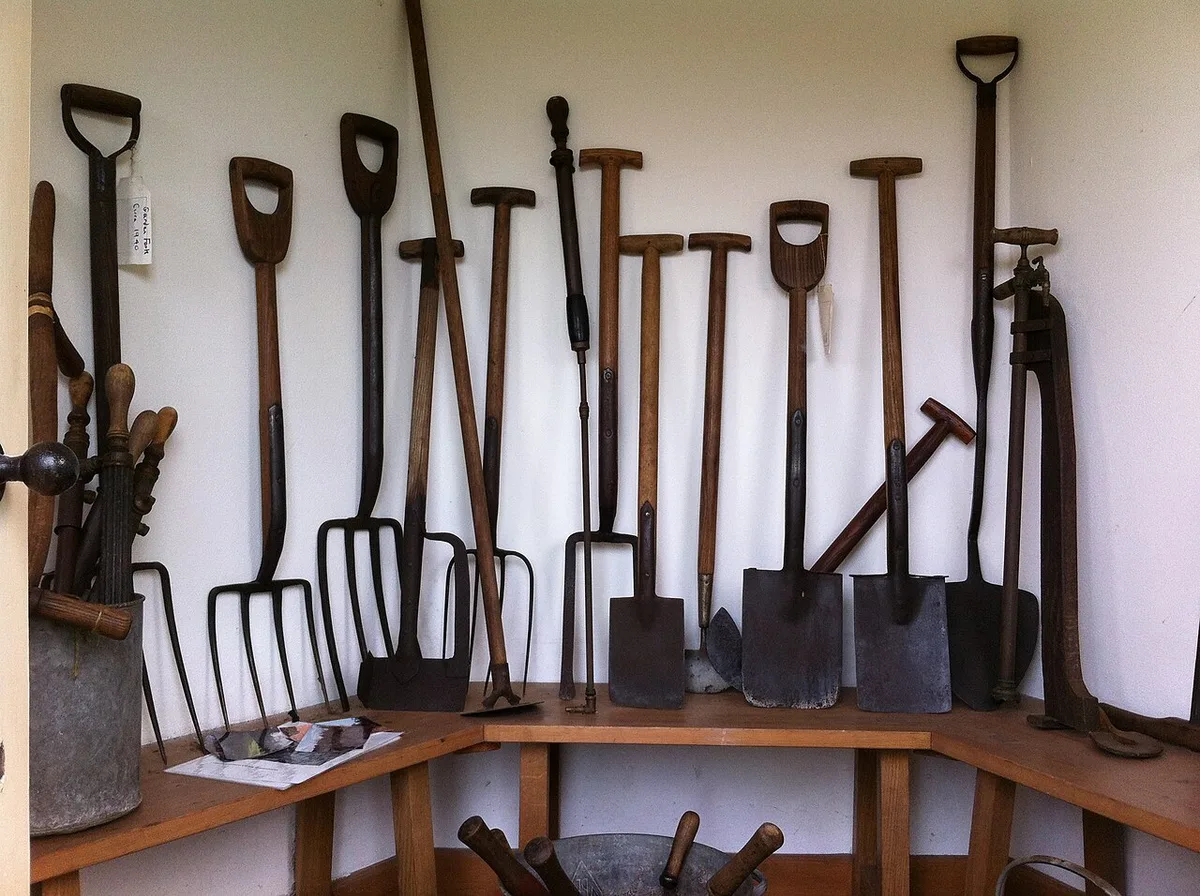
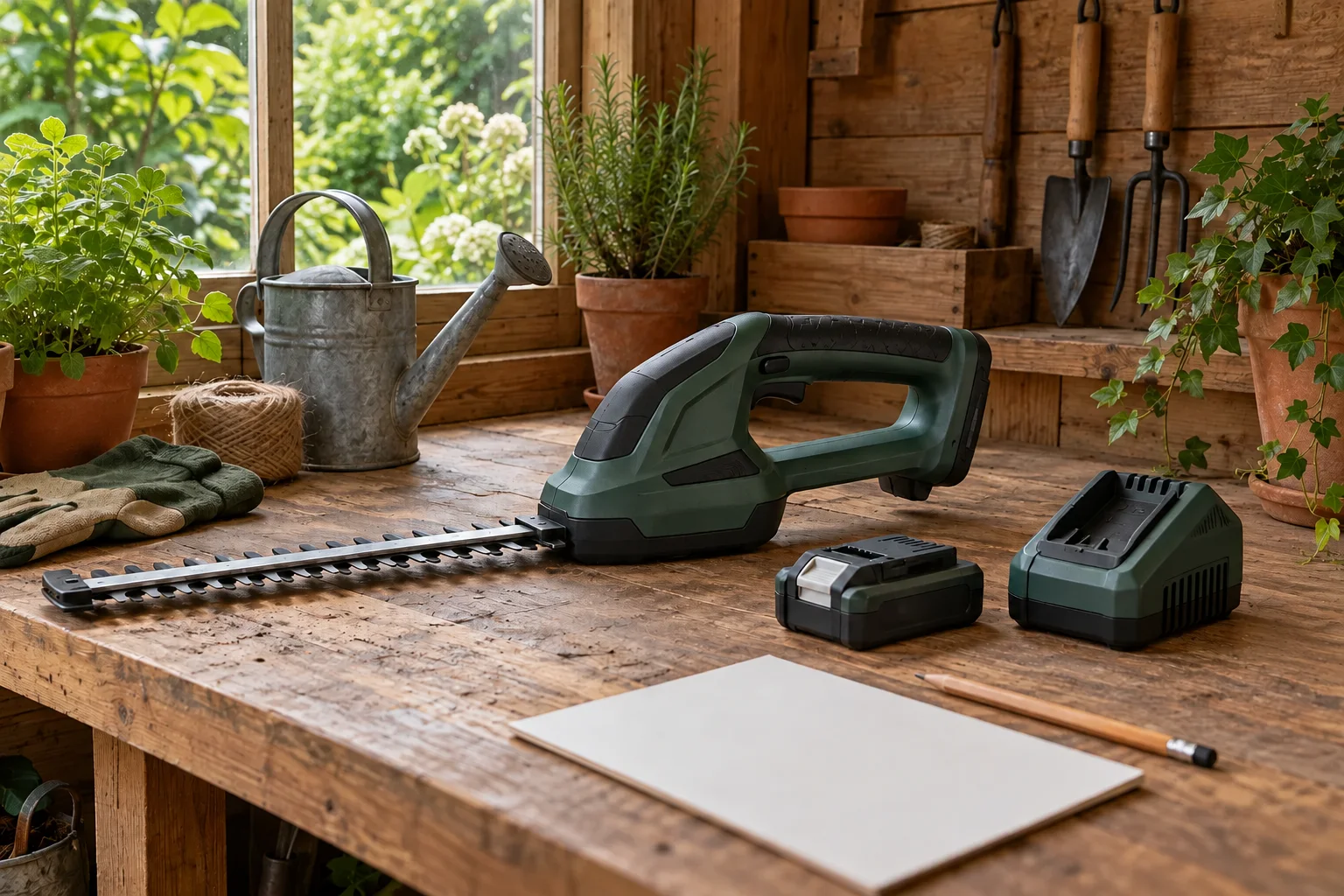
The garden and historical hand-tool photographs place the powered equipment within a wider task inventory. They are not evidence that a battery should replace every manual tool. A useful decision identifies exactly which combination is approved, what performance information is available and which practical question still needs an answer.