Budget for the complete garden kit, one task at a time
Include required power, care and delivery costs before comparing headline tool prices.
Updated:
Define what the purchase must achieve
Describe the garden tasks before listing products. The RHS mowing guide distinguishes choices such as hand-push equipment for smaller areas and separate attention to awkward edges. Those distinctions are a starting point for questions, not a universal shopping list or an instruction to buy every type of tool mentioned.
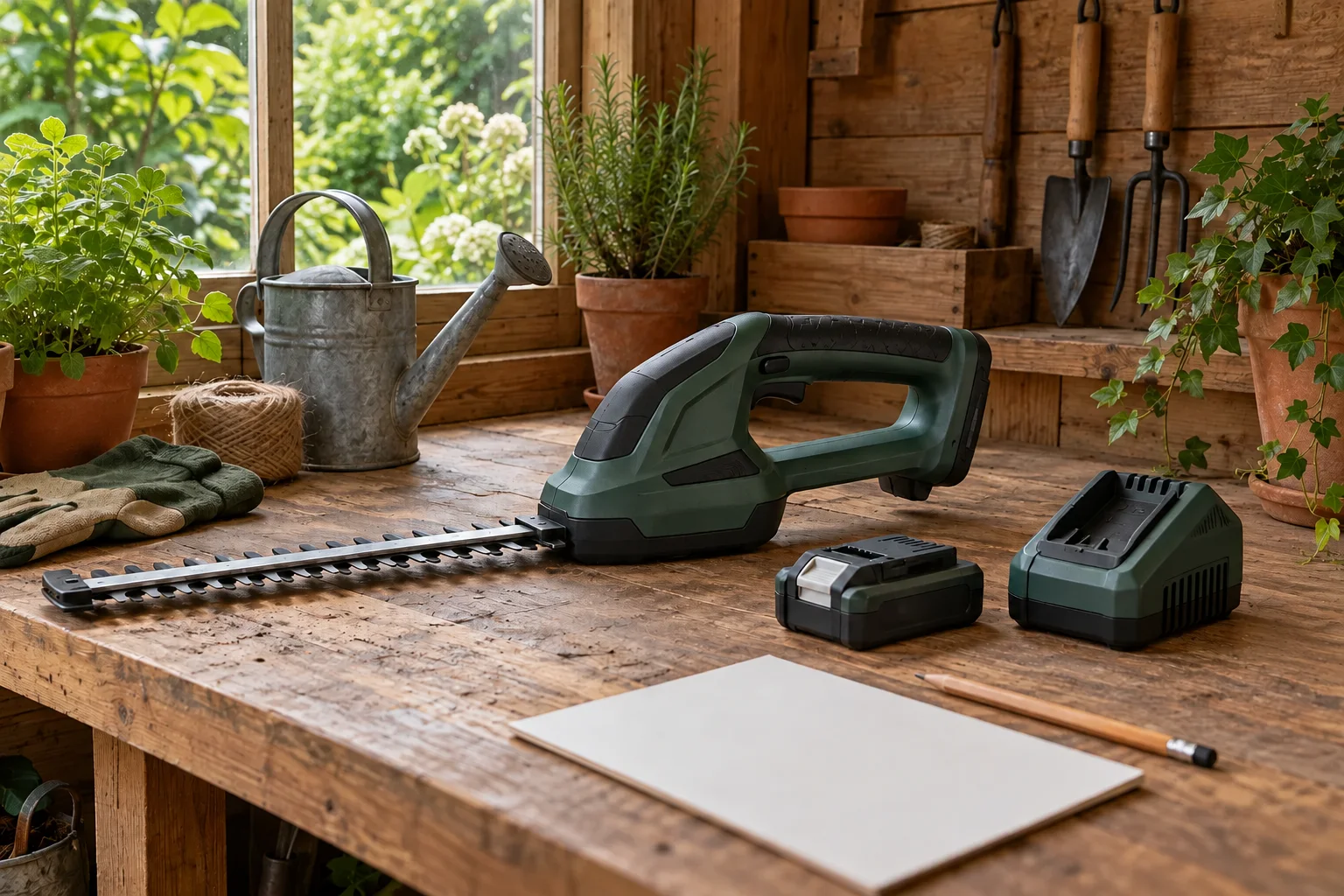
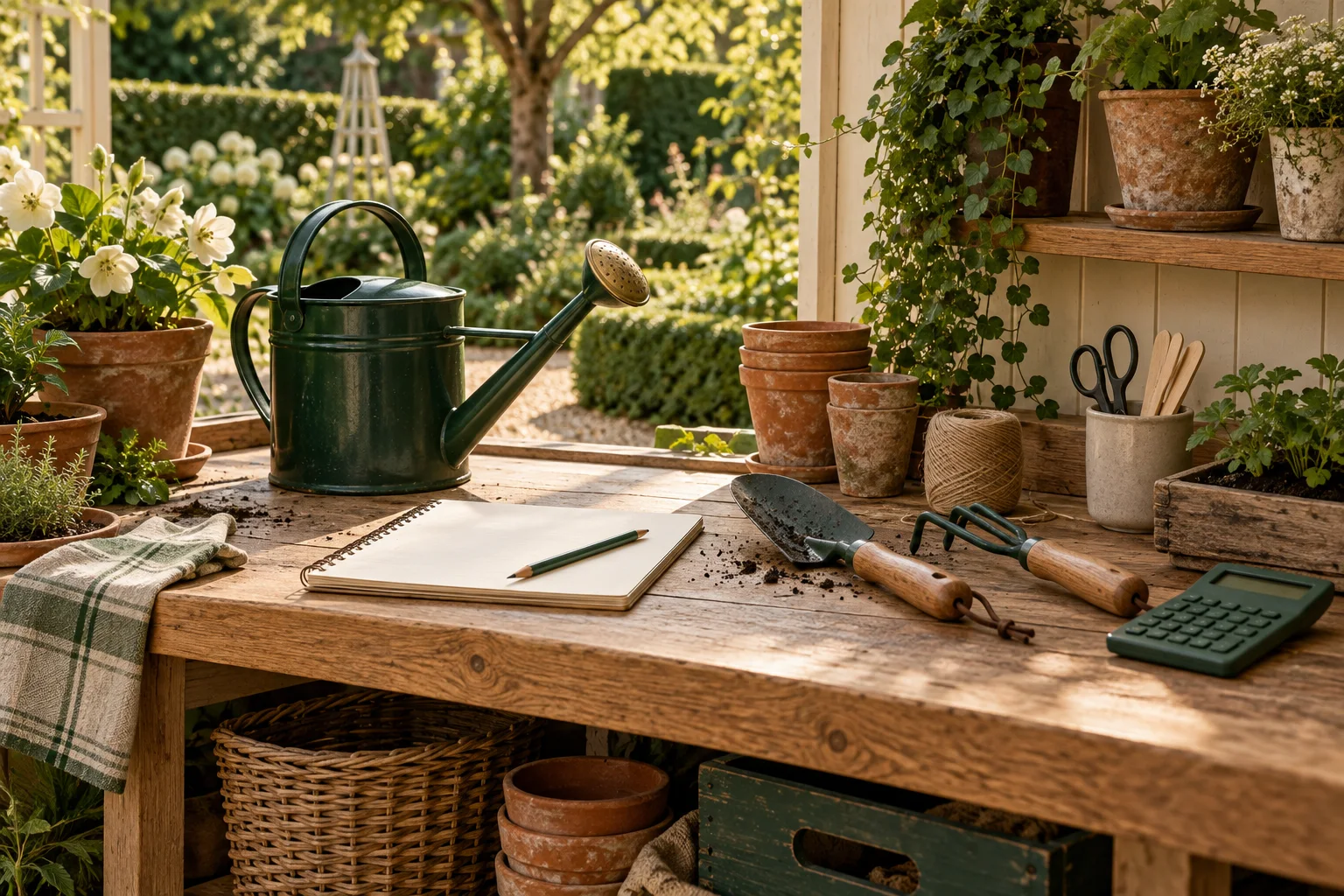
Record the lawn area, access route and any hand-tool tasks you actually intend to do. The garden photograph shows a mix of grass, paths and planting that could produce different requirements, but this guide has not surveyed that property. Build the budget around your own measured space and intended work rather than copying an attractive photograph.

Separate included and required components
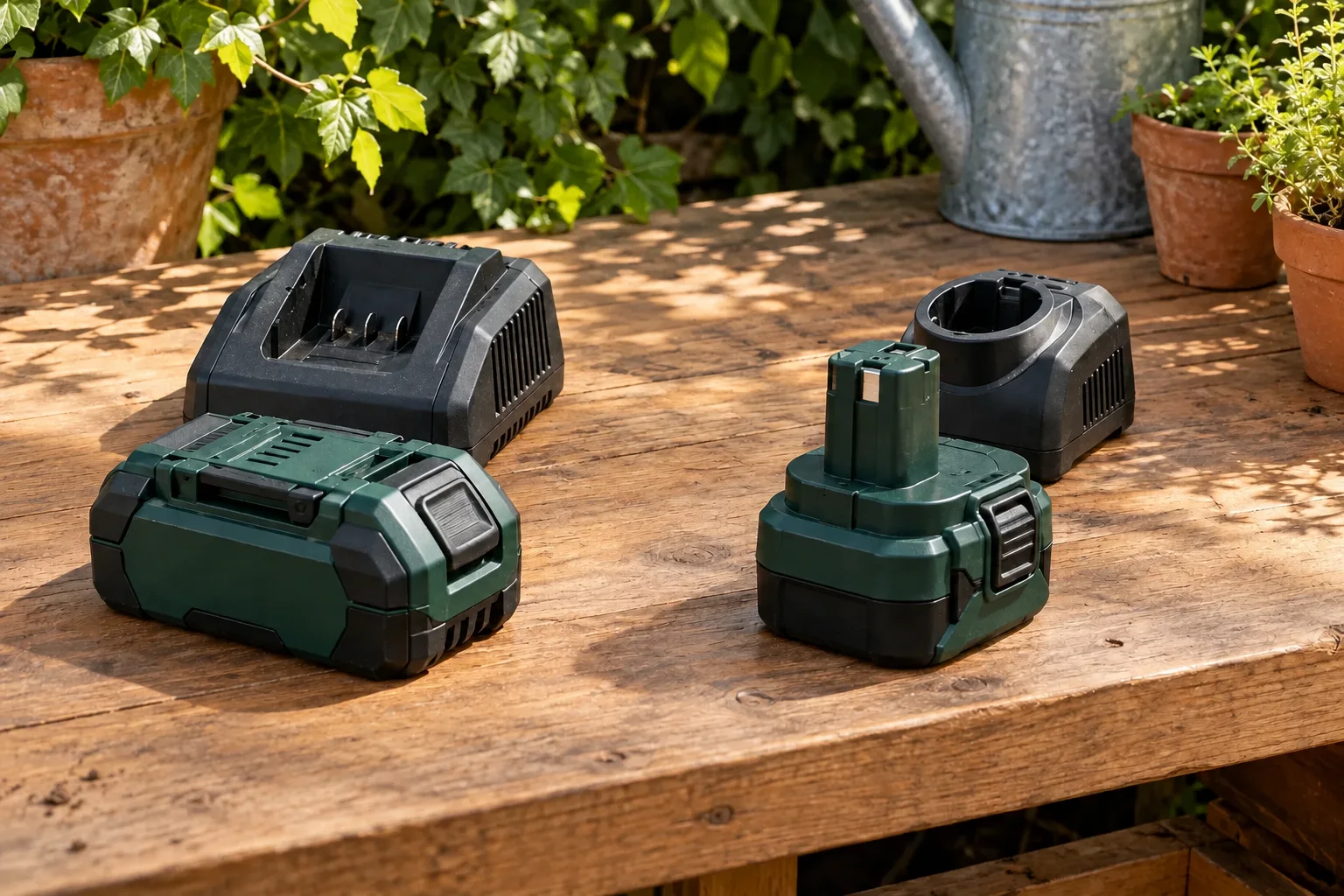
For a cordless purchase, establish whether the offer includes the exact battery and charger required. STIHL describes sharing equipment within named battery systems, which makes the system identifier important. It does not establish compatibility across every product from the brand or across different manufacturers.
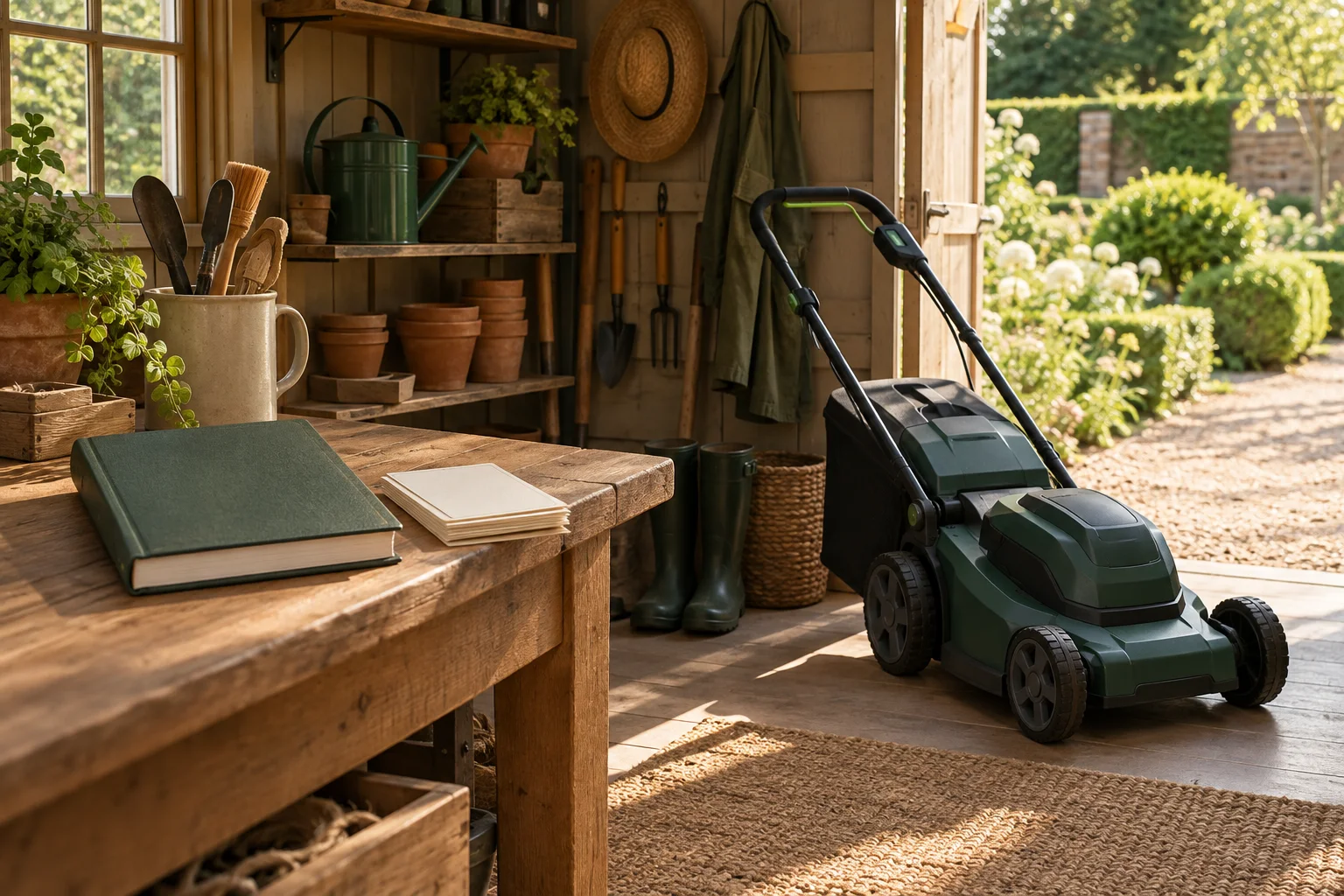
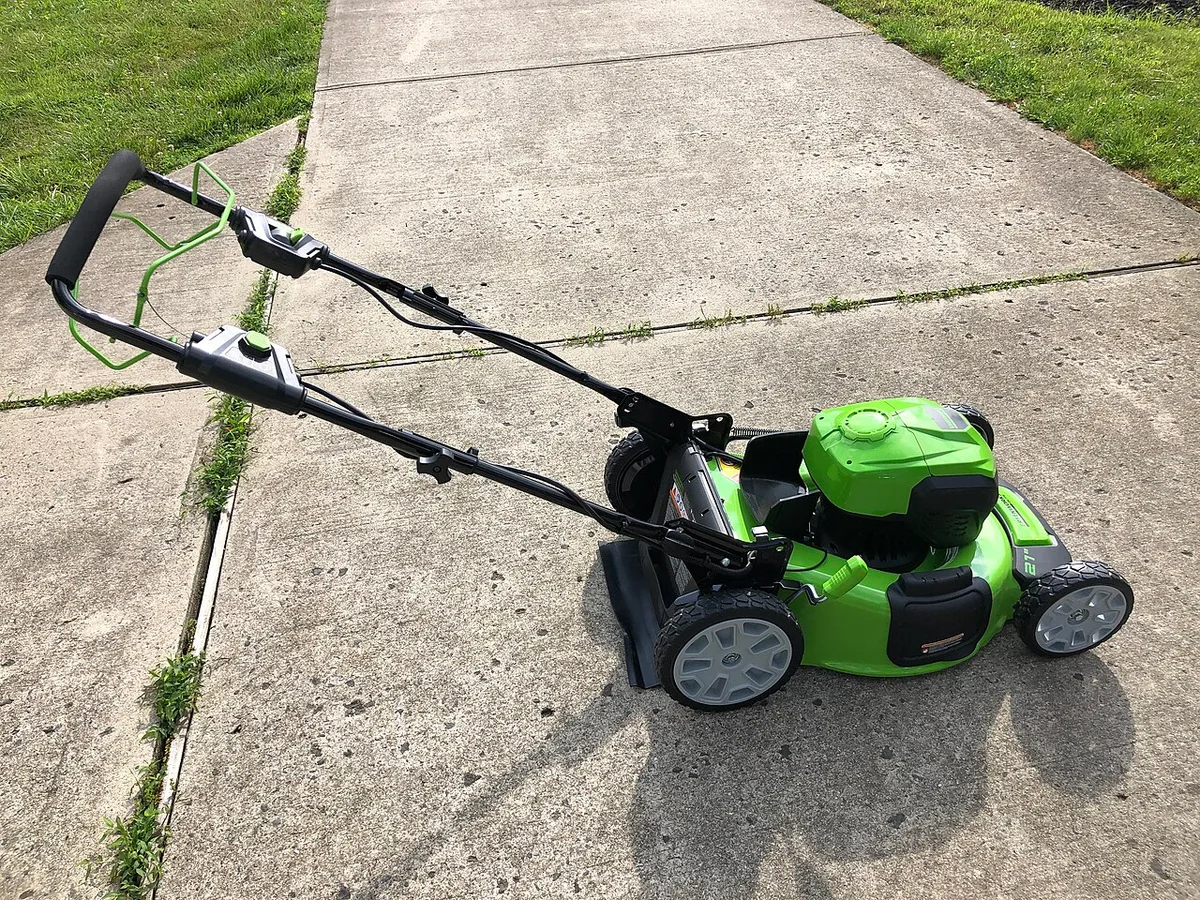
The cordless mower photograph shows one historical product, not an endorsed package or current offer. Write down the components supplied and the official compatibility evidence for anything you already own. An existing battery can be entered at zero additional cost only when it is genuinely suitable and available for the planned work.
STIHL UK: battery systems and compatibility ?
Add the whole initial purchase
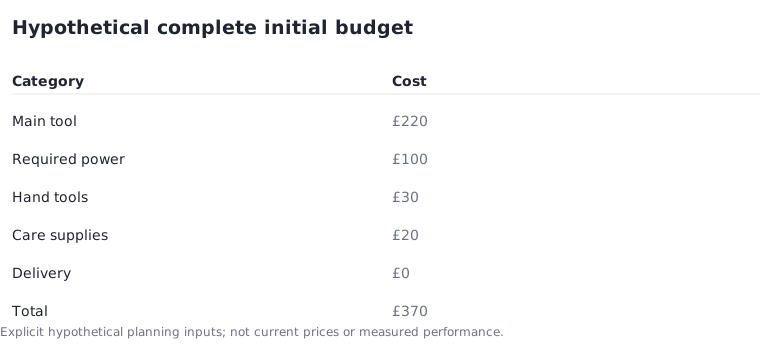
Use explicit assumptions to make the arithmetic visible. Suppose the main tool costs £220, required power components £100, hand tools £30, care supplies £20 and delivery £0. The total is £370. The main tool represents about 59.5% of that total, showing why its headline price alone does not describe the complete plan.
These amounts are invented examples rather than current prices or a recommended allocation. The garden-kit tool uses the same five categories and accepts your own figures. If an offer bundles two categories, enter the combined amount once and zero for the included item so that the total does not double-count it.
Keep later costs separate
The RHS advises cleaning hand tools after use and keeping them dry. Account for the actual care requirements of the selected equipment, but do not invent a standard annual maintenance charge. Consumables, servicing and replacement parts depend on the product and use, so they need their own assumptions or quotations.
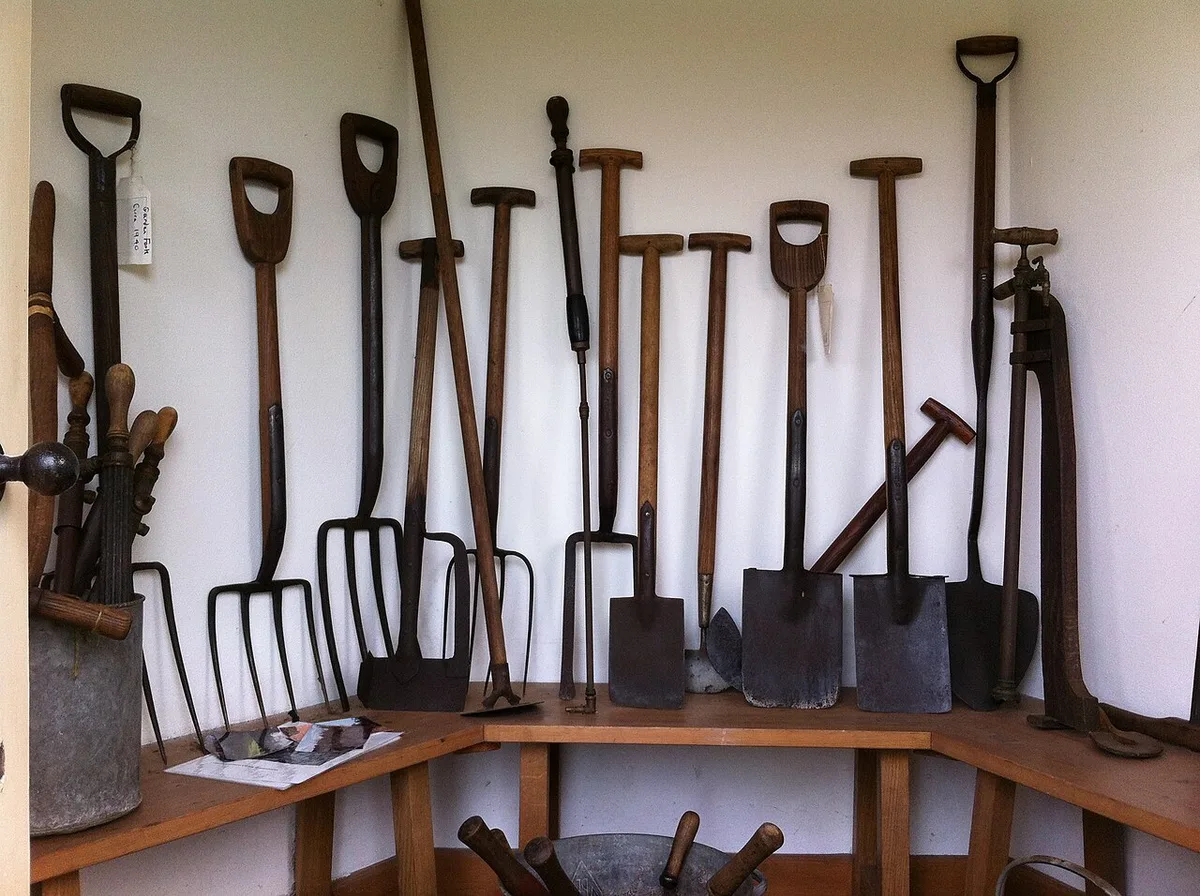
The historical hand-tool display illustrates the variety that can accumulate in a garden kit. It is not evidence of a required starter set. Separate equipment already owned from additions, and distinguish an initial purchase from future spending. A simple initial total cannot establish the lifetime cost of two different systems.
Compare like-for-like plans
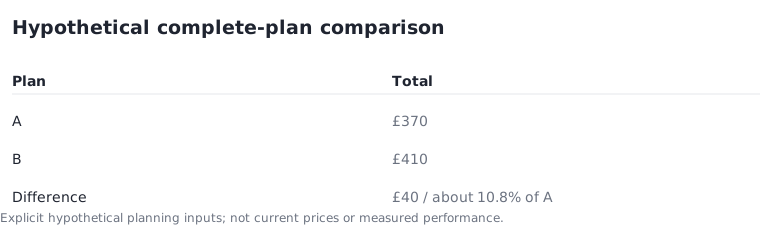
For a hypothetical comparison, Plan A totals £370 and Plan B £410 after both have been checked for the same required tasks and included components. The difference is £40, about 10.8% of Plan A. That calculation does not make either plan better; handling, compatibility, storage and the quality of the fit still need assessment.
Save dated supplier quotations and the exact model references before buying. If the package changes, update the components and total rather than preserving an outdated comparison. The useful result is a transparent budget with visible assumptions, allowing a purchase decision to be reviewed without relying on a promotional headline or a fabricated test score.